What is ISO 45001:2018 Occupational Health and Safety Management System?
ISO 45001:2018 is an international standard for Occupational Health and Safety Management Systems (OHSMS). It was developed and published by the International Organization for Standardization to help organizations provide safe and healthy workplaces, prevent work-related injuries and illnesses, and continuously improve OH&S performance.
This standard adopts a proactive approach to risk prevention by identifying hazards and controlling risks before incidents occur, making it a strategic tool for organizational sustainability and operational excellence.
Importance of ISO 45001:2018 for Organizations
Implementing ISO 45001:2018 brings significant benefits to organizations across all sectors.
Improving Workplace Safety
The standard helps identify occupational hazards and reduce risks, leading to fewer accidents and healthier working conditions.
Legal and Regulatory Compliance
ISO 45001 supports organizations in meeting applicable occupational health and safety laws and regulations, reducing the risk of penalties and legal issues.
Enhancing Employee and Client Confidence
Certification demonstrates a strong commitment to employee well-being, which improves trust among employees, customers, and other stakeholders.
Reducing Costs and Operational Losses
By minimizing incidents and downtime, organizations can lower compensation costs and improve productivity.
Difference Between ISO 45001 and OHSAS 18001
ISO 45001:2018 was introduced to replace OHSAS 18001, offering a more robust and modern framework.
Focus on Organizational Context
The standard considers internal and external factors that affect occupational health and safety management.
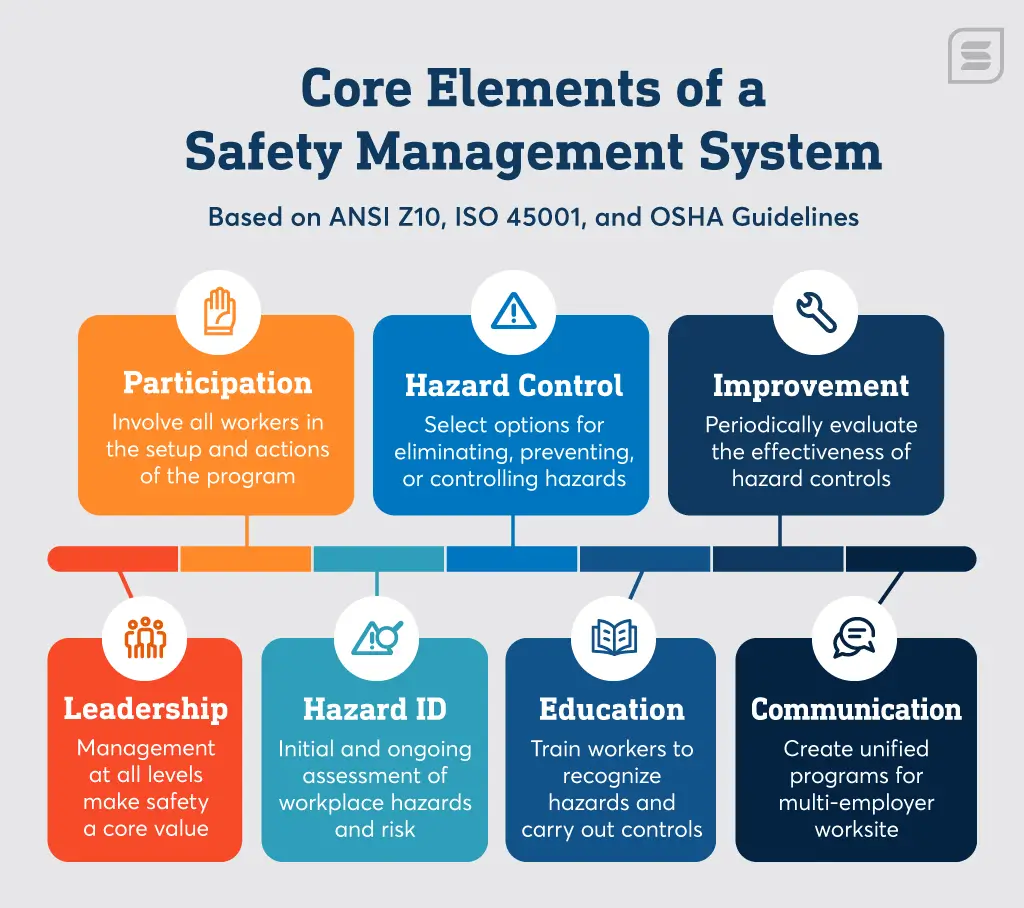
Leadership and Worker Participation
Top management involvement and employee participation are central requirements of ISO 45001.
Integration with Other Management Systems
ISO 45001 follows the High-Level Structure, allowing easy integration with ISO 9001 and ISO 14001.
Key Requirements of ISO 45001:2018
The standard is based on several essential requirements.
Hazard Identification and Risk Assessment
Organizations must identify hazards, assess OH&S risks, and determine opportunities for improvement.
Roles, Responsibilities, and Authorities
Clear definition of responsibilities ensures accountability at all organizational levels.
Training and Awareness
Employees must be competent and aware of OH&S policies, risks, and procedures relevant to their roles.
Monitoring and Continuous Improvement
Performance evaluation, internal audits, and corrective actions are required to ensure continual improvement.
Steps to Achieve ISO 45001:2018 Certification
Obtaining ISO 45001 certification typically follows these stages.
Application Form Submission
The process of obtaining ISO 45001:2018 certification begins with completing the certification application form with the certification body. This form includes basic information about the organization such as the nature of its activities, number of employees, sites, and the scope of the environmental management system to be certified.
Audit Plan Preparation
After reviewing the application, an audit plan is prepared outlining the audit schedule, scope, covered processes, and the audit team members. The purpose of this plan is to organize the audit process and ensure that all standard requirements are fully covered.
Audit Stage 1
The purpose of the Stage One audit is to assess the organization’s readiness for certification. This stage includes reviewing environmental documentation and policies, verifying understanding of ISO 45001:2018 requirements, and confirming their initial implementation, while identifying any gaps that need to be addressed before moving to the next stage.
Audit Stage 2
In this stage, the on-site audit is conducted, where auditors review the actual implementation of the environmental management system within the organization and verify full compliance with ISO 45001:2018 requirements. If no major nonconformities are found, or after they are closed, a recommendation is made to grant the certification.
Who Can Apply ISO 45001:2018?
ISO 45001 is applicable to organizations of all sizes and industries, including manufacturing, construction, services, healthcare, and public sector entities.
Frequently Asked Questions About ISO 45001:2018
The main objective is to prevent work-related injuries and illnesses and provide safe and healthy workplaces.
ISO 45001 is not legally mandatory, but it is often required in tenders, contracts, and supply chains.
The certification is typically valid for three years, subject to annual surveillance audits.
Yes, ISO 45001

 EN
EN  AR
AR